The shape of being alone.
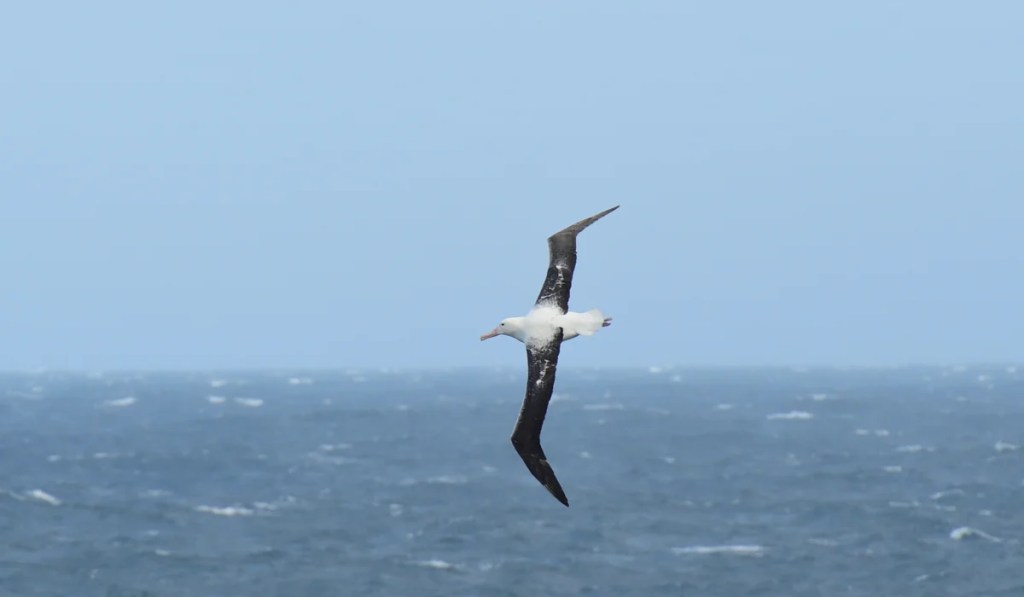
People talk about solitude like it’s a void.
A blank expanse you fall into when connection fails. But I’ve never found it empty. If anything, solitude has its own architecture—walls and thresholds and hidden rooms you only discover by staying inside them long enough.
There are times when being alone feels as structured as any blueprint.
The mornings when silence settles around you like a perimeter, defining what you’ll carry into the day and what you’ll leave outside. The afternoons that stretch into perfect symmetry—hours balanced between nothing demanded and nothing promised.
Solitude draws boundaries around perception.
When no one else is present to confirm or contradict, your attention sharpens. You start to see the edges of thoughts you’d blurred out of convenience. The quiet makes a lattice for noticing—where a stray idea can land and stay visible.
What I didn’t expect is how the shape of solitude keeps changing.
Sometimes it feels like a narrow corridor you’re moving through carefully, one hand on the wall. Other times it opens into a vast atrium where you can move in every direction without explanation. It contracts and expands according to what you need, even when you’re not sure what that is.
Solitude is never just a blank space.
It’s a geometry—part shelter, part frontier, always a place with its own dimensions.
 Longitudes Unclaimed